3M™ Automotive Window Films

3M™ Automotive Window Film options offer different levels of heat and glare reduction, ultraviolet (UV) protection, privacy and security, aesthetics, and cost, making them suitable for different needs and preferences. The Crystalline series offers the highest performance and technology, while the Ceramic IM and XP series offer good performance at a more affordable price point.
Our Window Film Range

  • Crystalline Series
  • Ceramic IM Series
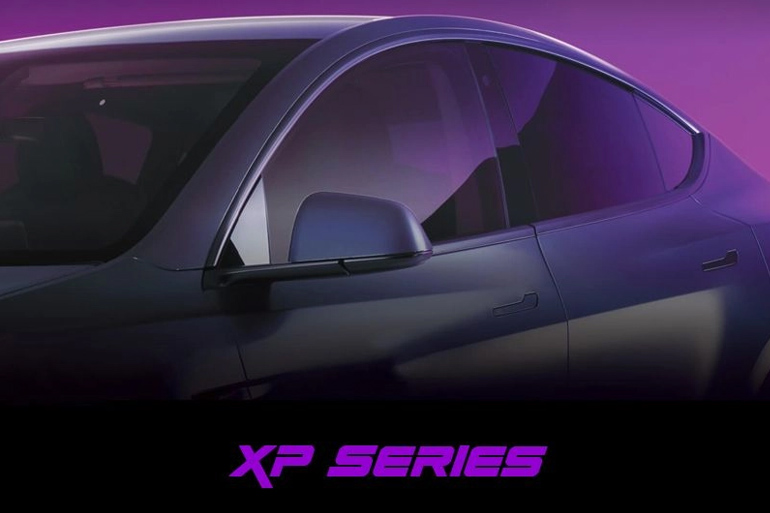
  • Ceramic XP Series
3M™ Automotive Window Films Crystalline™ Series CR BLK

3M™ Automotive Window Films Crystalline™ Series CR BLK

  • Heat rejection1: Up to 64% (TSER2), Up to 68% (IRER3), and Up to 98% (IRR4)
  • UV protection: Up to 99.9%
  • Light Visibility - Visible Light Transmittance (VLT)5: Very High 14% - 72%
  • Glare reduction: Up to 81%
  • Technology: Multilayer optical film (MOF) with IR-rejecting ceramic nano-technology, over 200 layers, thinner than a Post-it® Note
  • OEM-matching tones
  • Privacy and security
  • No signal interference
  • Skin Cancer Foundation's Seal of Recommendation6: Blocks 99% or more of UVA and UVB radiation
3M™ Automotive Window Films Ceramic IM Series

3M™ Automotive Window Films Ceramic IM Series

  • Heat rejection1: Up to 65% (TSER2), Up to 66% (IRER3), and Up to 81% (IRR4)
  • UV protection: 99%
  • Light Visibility - Visible Light Transmittance (VLT)5: High 7% - 62%
  • Glare reduction: Up to 90%
  • Technology: Advanced nano-ceramic technology
  • Privacy and security
  • No signal interference
3M™ Automotive Window Films Ceramic XP Series

3M™ Automotive Window Films Ceramic XP Series

  • Heat rejection1: Up to 63% (TSER2), Up to 62% (IRER3), and Up to 39% (IRR4)
  • UV protection: 99%
  • Light Visibility - Visible Light Transmittance (VLT)5: High 4% - 64%
  • Glare reduction: Up to 94%
  • Technology: Superior nano-ceramic technology
  • Privacy and security
  • No signal interference
1 Data shown is the estimated performance of film applied to ¼” (6mm) thick, 73% VLT automotive green glass. Data is for reference only.

2 TSER (Total Solar Energy Rejection) - The percentage of total solar energy rejected by filmed glass. The higher this value, the less solar heat is transmitted.

3 IRER - Percent of solar infrared energy that is rejected over the wavelength range from 780 nm to 2,500 nm. IRER takes into account the transmitted and absorbed IR energy that will be reradiated into a car. Data shown is for the performance of the film applied to glass.

4 Infrared Rejection (IRR) - Percent of solar infrared energy in the 900 – 1,000 nm wavelength range that is rejected by the car tinting film. Measurement is made of film with liner alone (i.e., no glass).

5 The visible light transmittance (VLT) values provided are based on measurements conducted on clear glass.

6 CAUTION: Although certain 3M™ Window Films help block a percentage of UVA and UVB radiation and may have received The Skin Cancer Foundation Seal of Recommendation, the efficacy of these films in protecting against skin cancer has not been tested by 3M and 3M™ WINDOW FILMS DO NOT PREVENT SKIN CANCER.

Frequently asked questions about Car Window Tint

Why choose 3M™ Car Window Tints?
3M™ car window tints are trusted worldwide for its durability, performance, and long-lasting protection. These high-quality car sun films are engineered to last for the lifetime of your vehicle, giving you not only style but also peace of mind. Installed by certified professionals, 3M car window films help safeguard your car’s interior, improve comfort, and protect your investment.
How much does car window tinting cost?
The cost of car window tinting depends on several factors, including the size and type of your car, the type of car window tint you select, and the location of installation. To get the most accurate estimate, use the 3M Auto Films Locator tool to find a certified installer near you and request a quote.
Can I install 3M car window tint myself?
To ensure the quality, appearance and durability of your car tint, it is important that a trained and experienced installer complete the installation for you. Our 3M authorised installers are here to answer any of your questions about possible coverage options, solutions, pricing and maintenance of your auto tint and will do a high-quality install for you. Find an installer near you by using our 3M Auto Films Locator tool.
How do 3M™ Car Sun Films work?
3M Car Sun Films are designed to reduce the amount of solar heat transmission through window glass by increasing the solar reflection (not necessarily visible reflection) and solar absorption through the glass.
How do I clean my 3M™ Automotive Window Film?
After thirty (30) days, you may clean 3M™ car window tints using normal household cleaning solutions, including ammonia-based products: e.g., Windex, and a soft, lint-free cloth or towel. You may also use a squeegee to clean the films. Abrasive products which would scratch or damage the film should not be used..
What are the guidelines for Car window Tint in India ?
VLT standards i.e. safety glass with 70% VLT for front and rear and 50% VLT for side window are permissible for use